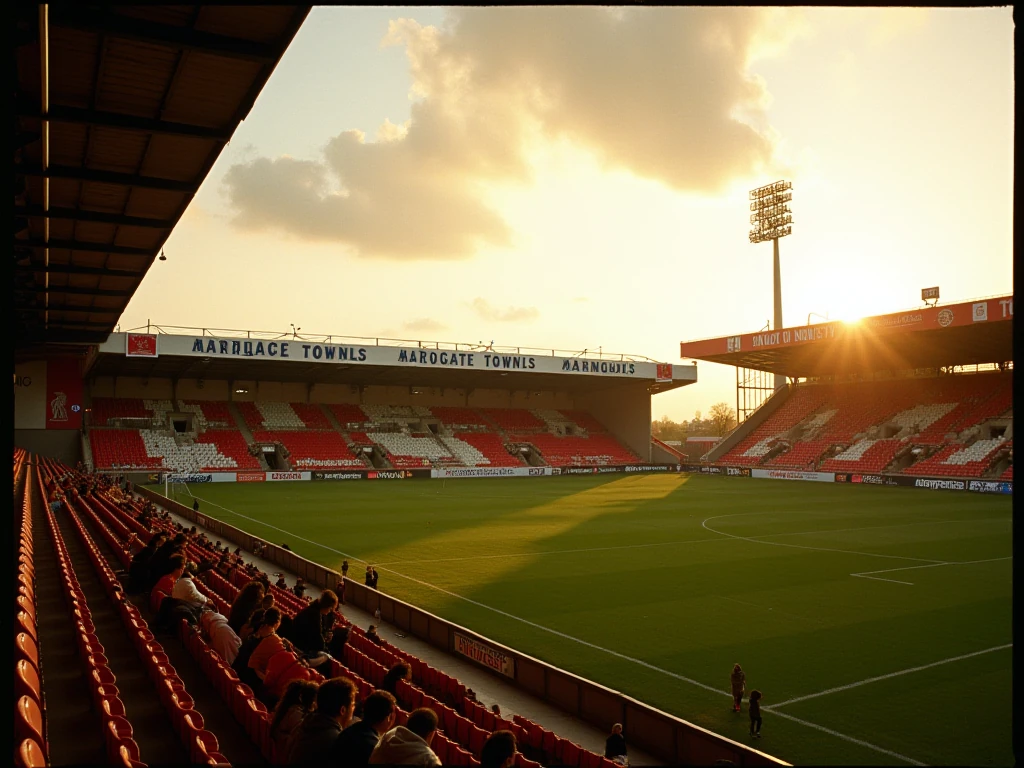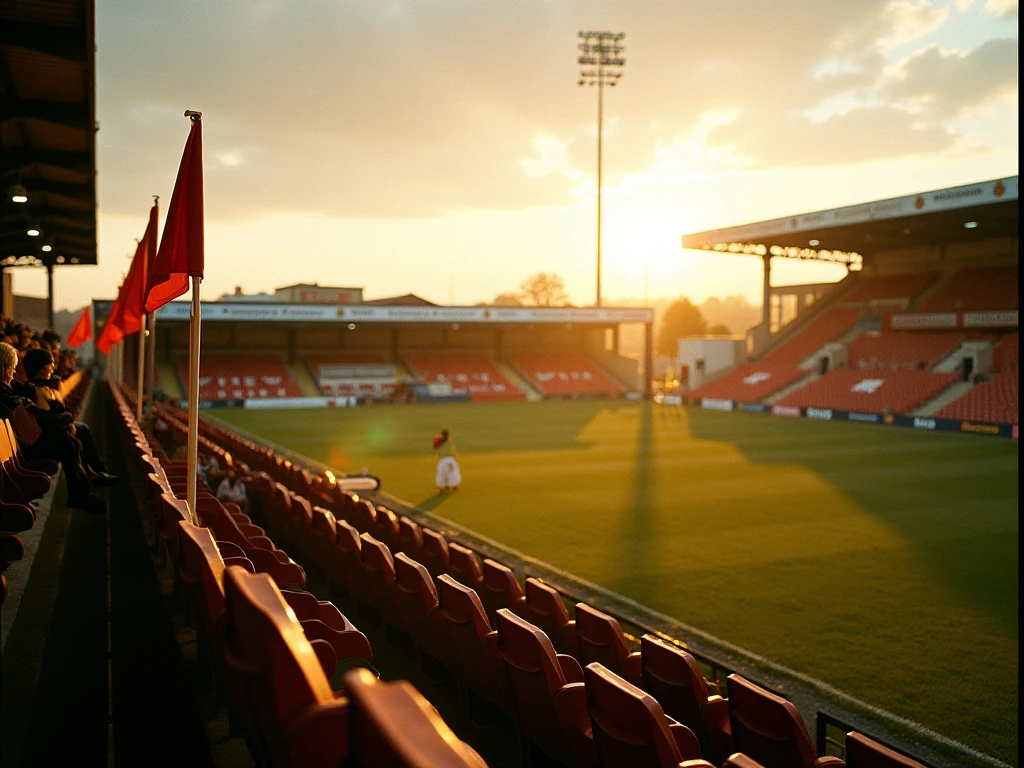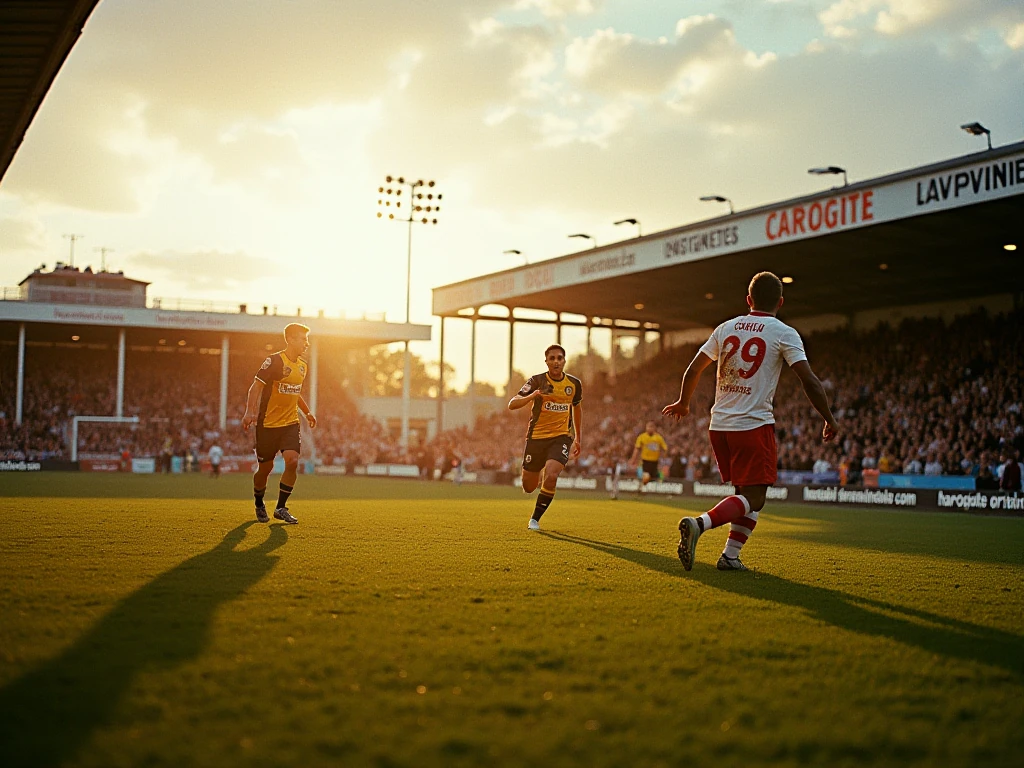
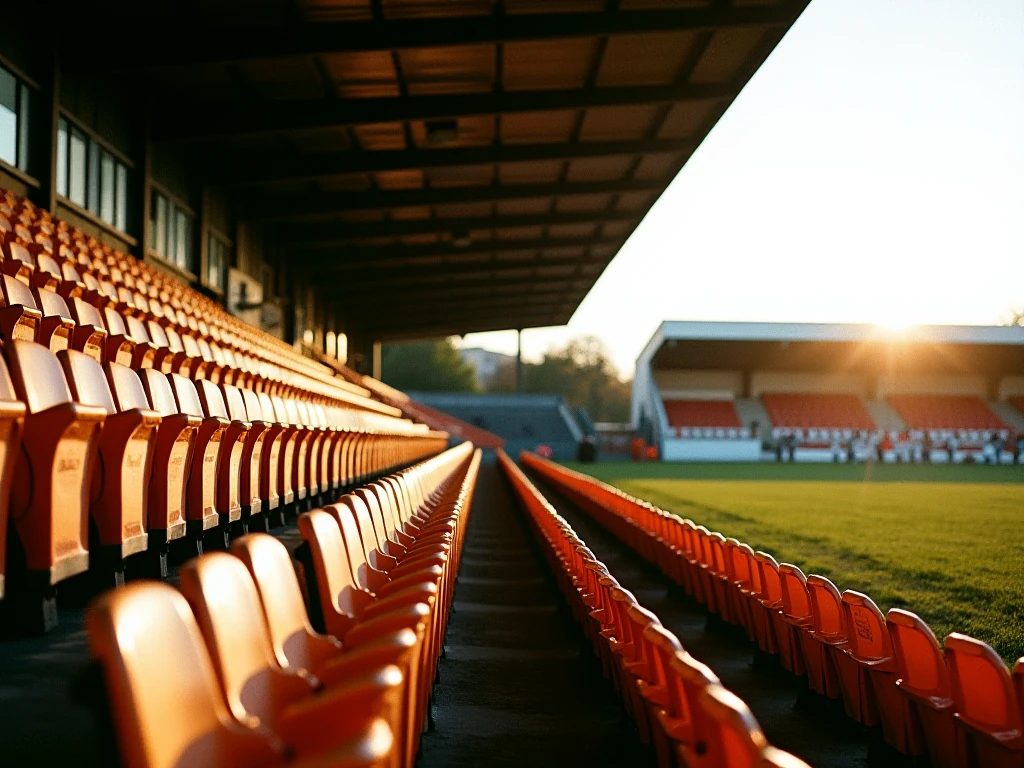
The EnviroVent Stadium faithful always demand passion and effort, and The Sulphurites consistently deliver on that front. However, looking at our recent performances, a closer tactical inspection reveals patterns that, with refinement, could unlock greater consistency and turn promising spells into sustained dominance.
Our struggles often stem from two key areas: breaking down resolute League Two low blocks and maintaining midfield control against aggressive opposition. When teams sit deep, our build-up play can sometimes lack the necessary intricate movement and quick passing to dislodge them. We’ve seen flashes of brilliance, particularly in wide areas, but the final ball or the clinical finish hasn't always followed. There's a tendency to rely on crosses from wide positions, which, while a valuable weapon, can become predictable if not complemented by central threat and late runs from midfield.
Conversely, in phases where we aim to dictate play, the midfield battle often becomes a crucial turning point. We sometimes get bypassed too easily, leaving our backline exposed, particularly to quick transitions. The distances between our midfield pivot and the back four, or between the defensive and attacking midfielders, can occasionally be too great, creating pockets of space for opponents to exploit. This isn't a criticism of individual effort, but rather an observation of collective shape and tactical discipline under pressure.
So, what are the suggested tweaks for Simon Weaver and his staff? Firstly, a subtle shift in our attacking approach could pay dividends. Instead of solely relying on width, more emphasis on exploiting the half-spaces - those channels between the opposition's centre-back and full-back - could create numerical advantages and better cut-back opportunities. This requires more intelligent movement from our number 10 or wide forwards drifting inside, and quicker, more incisive passing through the lines rather than always around them. Practising these combinations in training could transform our potency in the final third.
Secondly, addressing midfield control is paramount. This might involve a tactical instruction for one of our deeper midfielders to sit more rigidly, acting as a dedicated screen for the defence, particularly when facing teams adept at counter-attacking. Alternatively, a tweak to a 4-3-3 formation, allowing for a genuine holding midfielder flanked by two energetic shuttlers, could provide both defensive solidity and progressive passing options. This would ensure we're less exposed centrally and can dictate the tempo more effectively, denying opponents easy routes to our goal and creating a springboard for our own attacks.
Finally, enhancing our defensive transitions needs attention. When we lose possession high up the pitch, the immediate collective reaction to either press aggressively or drop quickly needs to be clearer and more cohesive. Lingering in advanced positions after a turnover can leave us vulnerable. Quicker communication and a predetermined 'plan B' for defensive shape upon losing the ball could shut down counter-attacks before they gather momentum.
These tactical refinements are about evolving our game, adding layers to our established strengths. Implementing these tweaks could provide the consistency The Sulphurites need to climb the League Two table and continue making the EnviroVent Stadium a fortress.